Yes You Can!

Glitter scrapbook paper, hot glue guns, and rhinestones aren’t what everyone associates with college graduation. However, it’s common for sorority women to take any opportunity to craft, so I’m not sure why I thought this milestone would be any different.

Deciding to decorate my graduation cap wasn’t just an effort to individualize myself in a sea of graduates, upgrade a boring hat, or avoid studying for finals. Rather it was a chance to express what has made these four years possible, and better yet, the four best years of my life.IMG_2002

It may seem silly—and maybe it is, most of the best things are—but we gain so much from learning in some way or another what motivates, energizes, and gets people out of bed in the morning, even if it’s just through a photo.

“Yes you can” is the phrase I have told myself during the longest push-up series imaginable, all-night study sessions, emotionally draining days, and four half marathons. More importantly, it’s the phrase I’ve shouted to my loyal Wednesday night UMN Rec yoga sculpt students for two years, used to ensure friends in times of doubt, and even told my dog during laps around the neighborhood.

It’s a personal mantra, and the best part is, it’s not personal. It’s not mine, I believe I stumbled upon it through CorePower classes four years ago as a freshman, and it stuck for the remainder of my college experience, and has no plans to disappear. It’s not mine, because it resonates with the ears it lands on. I have many friends and sorority sisters who will tell me they hear me voicing this mantra as they reach a difficult part of their workout or life. It’s built and nourished by a community and support system that has maintained my enthusiasm, positivity, and sanity when I couldn’t do it alone. This graduation isn’t personal.
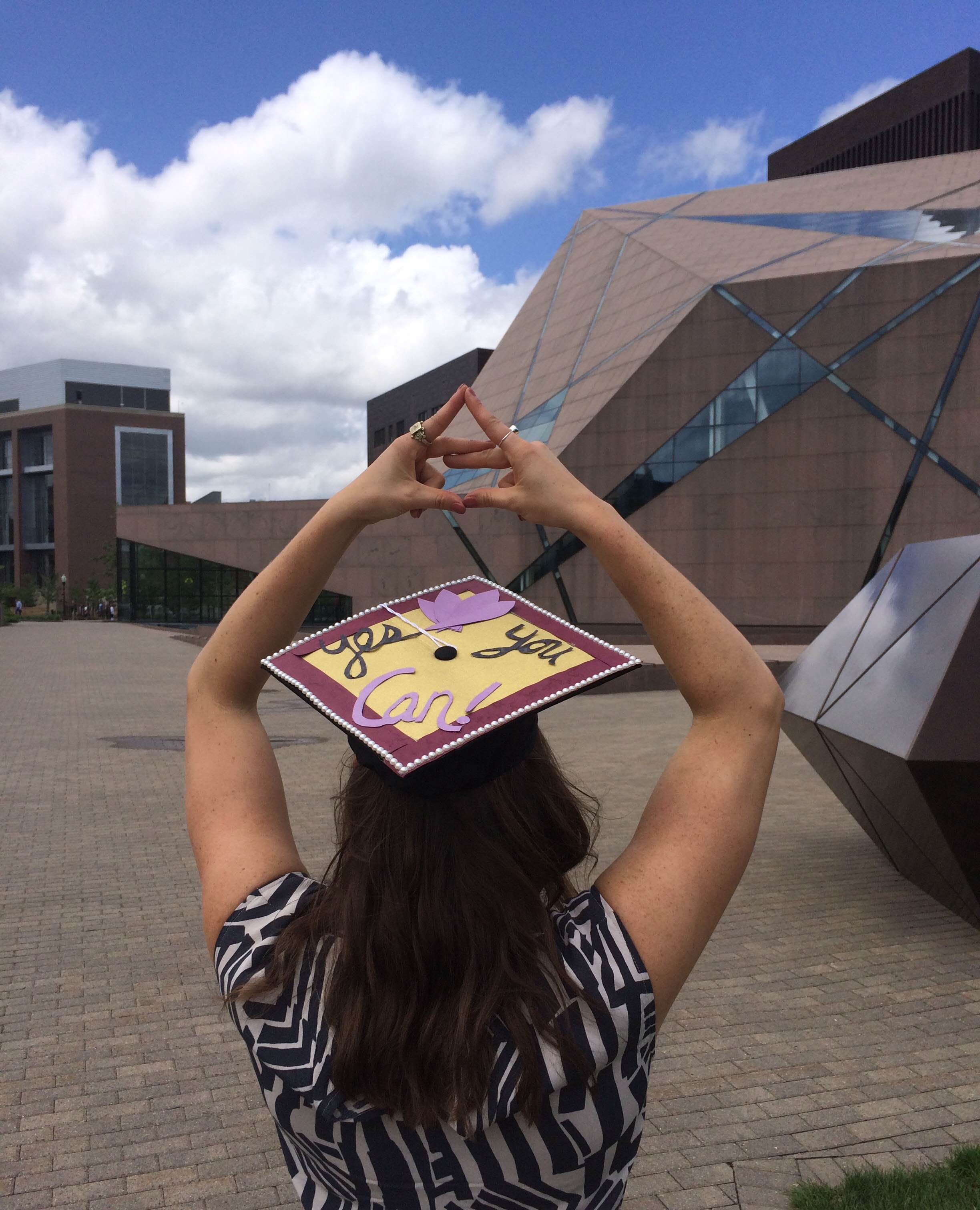
IMG_2044The pearls hugging the rim of the cap represent Alpha Gamma Delta, as it is our chapter jewel. Words can’t describe the role this chapter and these women have played in my college experience or life, so it only made sense for the pearls to tie everything together. That’s what Alpha Gam has always done for me, I’ve said here is the laundry list of what I want to accomplish, the types of lasting friendships I want to sustain, and the responsibility I want to take on. Even when these combinations created a bit of chaos, there was comfort knowing I was protected by a safe space where I could be authentic, try something new, and most importantly, find out what should not be tried again.

Finally, the lilac lotus flower. If you’re an avid SarahReedit reader (consider it), you’ll know the lilac wasn’t coincidental. Lotus flowers grow, nourish, and strengthen through mud before blossoming into the gorgeous flowers we recognize from the local yoga studio or hippie neighbor. My college experience wasn’t mud, my life hasn’t been mud, which I truly express gratitude for every day. However, mud still comes and goes for us all; and recognizing these times as opportunities to blossom even more once it’s gone, is what IMG_2039allows us to notice the beauty in ourselves and around us. We have a lot to learn from the little guys, and I am happy to continue copying them in admiration.
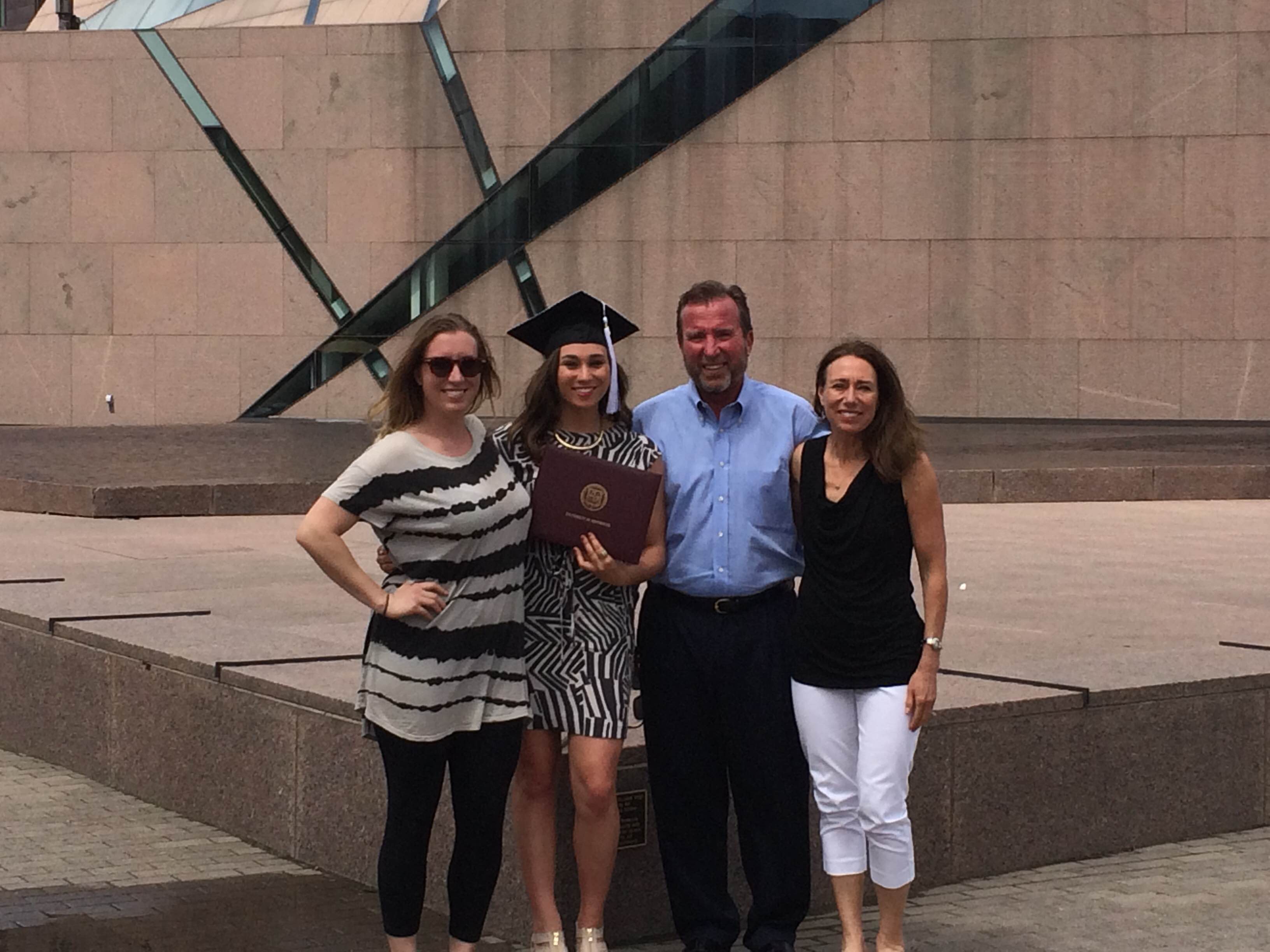
For you, maybe it’s not a hat, or a jewel, or a yoga mantra. But many things, many words, many people have gotten you to where and who you are today. Take the time to celebrate that—diploma or not—and rejoice in what this group effort has created and what is to come.
Yes you can!

Save Her Seat

My favorite part of college has been learning what makes me unique, by recognizing what skills come to me naturally that may be for someone else would take hours to even start to think about. Everyone has these, whatever they may be.

For me, it’s very communicative and very visual; I able to effectively express how I think and how I see the world to other people. Recognizing my gifts and learning to maximize the gifts of others has been the most significant and pivotal point of my education, career path, and of my future.

But self awareness isn’t the final prize; once we know it, we have to own it. For many, myself included, this is the hardest part. There will always be difficult situations we don’t know how to deal with; we don’t usually learn in school or at a work orientation how to console friends going through loss, excel in relationships, or engage the shy person in a group. These situations can only be conquered with what comes to us naturally, what doesn’t feel like work.

It was through deciding to minor in Leadership that I began to truly understand what elements of my life were not work, or as we say, were life-giving.

GroupThis semester in Global Leadership I had the opportunity to dedicate my time to focusing on the lack of female leadership in politics.

While the words “group project” tend to bring up emotions often associated with going to the dentist, I was fortunate enough to had a group that made this project continuously inspiring. This semester-long project started with extensive research on the topic, and comparing the US to countries chosen for their diverse approaches to this issues.

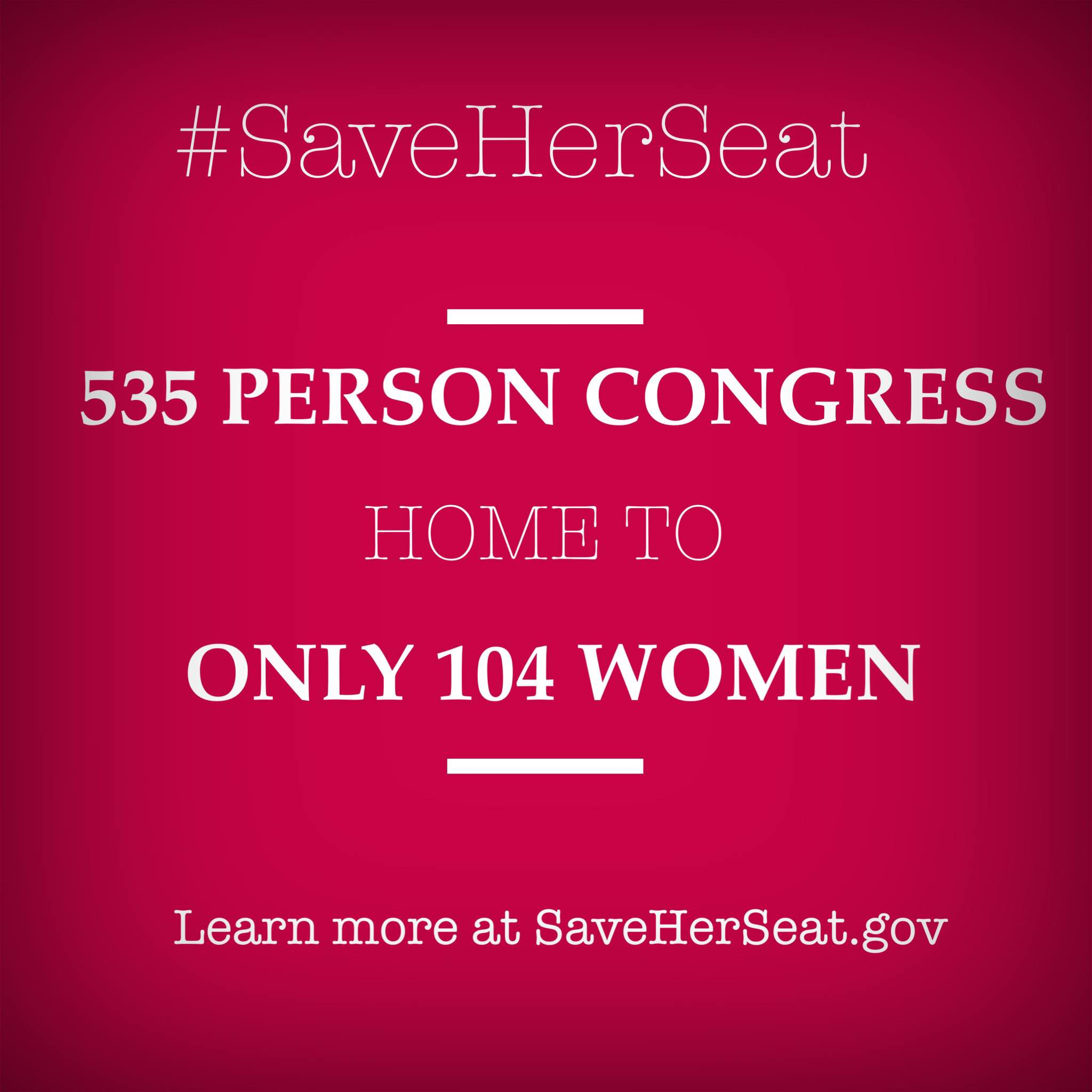
Rwanda acted as our bright spot—ranking #1 in the world—with a quota system that ensures women will hold government seats. We did take this with a grain of salt, seeing as Rwanda is a dictatorship and their leader has been charged with various human rights charges…(always good to scratch past the surface, apparently). Norway—ranked at #13—served as inspiration for their successful integration of a quota system that reserves 40% of corporate board membership for women. Finally, Japan—#115—as a comparison for a nation focusing on grassroots organization to begin focusing more on this issue. Important point of reference, the US comes in at #72. SaveHerSeat

Once we started working on strategies for addressing this issue in the US, I was going to be tackling how to integrate a quota system in an adaptive way, except tackling implies me having a lot more energy than I did. As dedicated as I was to finding a way to ensure women would receiving the same amount of responsibility and respect not just filling a small role to meet numbers, there was something missing to really engage me.

While sitting peacefully on a early plane ride to St. Louis and thinking far from peacefully about our approaching deadline, I started to think about how I would change this assignment if I could. I decided instead of writing a paper about our strategies, we would need to implement them on a smaller scale in our community [low key, still think that’s a great idea]. Travelling down that rabbit hole, I pictured us interviewing people on campus and talking about female leaders that inspire them, and working with local boards and governments to see how this panned out in our community.

While it was a bit late in the game to ask everyone to change directions, this gave me the idea for work that wouldn’t feel like work. Developing Save Her Seat, I planned a strategic communications plan that would communicate to the American public the changes that were being made with the new quota system.

This included research and plans for educating local and national news stations on the policies to ensure accurate reporting, educational advertisements, and a #SaveHerSeat campaign that would ask schools and community centers across the nation to submit video/written/artistic entries describing what female leaders inspire them to SaveHerSeat.gov. The entries and the leaders mentioned in the submissions would then be featured in local and sometimes national news, starting conversations in households that would not otherwise be interested.
 Raise a generation

Landing in St. Louis (most productive flight of my life) I ran the plans for Save Her Seat by a few group members, hoping for their blessing to ditch the paper portion. After many long texts, a few prayer emojis, and consulting the rest of the group, it was a go. I am so grateful that I was able to work with such brilliant women that were kind enough to take a chance on my left-field ideas and all the things I “have done in my mind” on deadline days.

The complement to trusting your ideas and recognizing your gifts, is surrounding yourself with people who will do the same. 

This isn’t the last time I’ll be given a project or task that won’t exactly thrill me, but that doesn’t mean I won’t have other options. So join me, recognize what you bring to the table, why you were asked/should be considered to do [____] project, and why that will be unique as a result. We won’t always like what we’re given, but we can change how we give our time, energy, and most importantly, gifts to others.

Redefine Craft

Some projects are like pulling teeth, especially as a senior. However, there’s others that you’re excited to work on, where you want to see your group the next day, and you can’t wait to present your work. And it’s a pretty good sign when those projects are for classes in your major.

Digital Media for Strategic Communications at the University of Minnesota- Twin Cities has excited me with new challenges, and at the same time comforted with me with the reminder that my strengths are all welcome in this space. Screen Shot 2014-10-12 at 9.25.16 PM

All semester, we have been working in groups and using the American Craft Council as a client for various projects. For our final project, we brought together the whole semester of work, which included research, strategic goals, detailed plans for owned, earned, and paid media for three different campaigns, reasoning, and expected results.

Something we kept hearing over and over again was that people have the wrong idea when it comes to “craft.” Even referring to the ACC’s work as “fine craft” was still not redirecting the conversation. This was also reflected on the almost immediate bounce rate the website has experienced.

I wanted to change this, and made my focus a campaign that asks supporters, strangers, and everyone in between to #RedefineCraft.

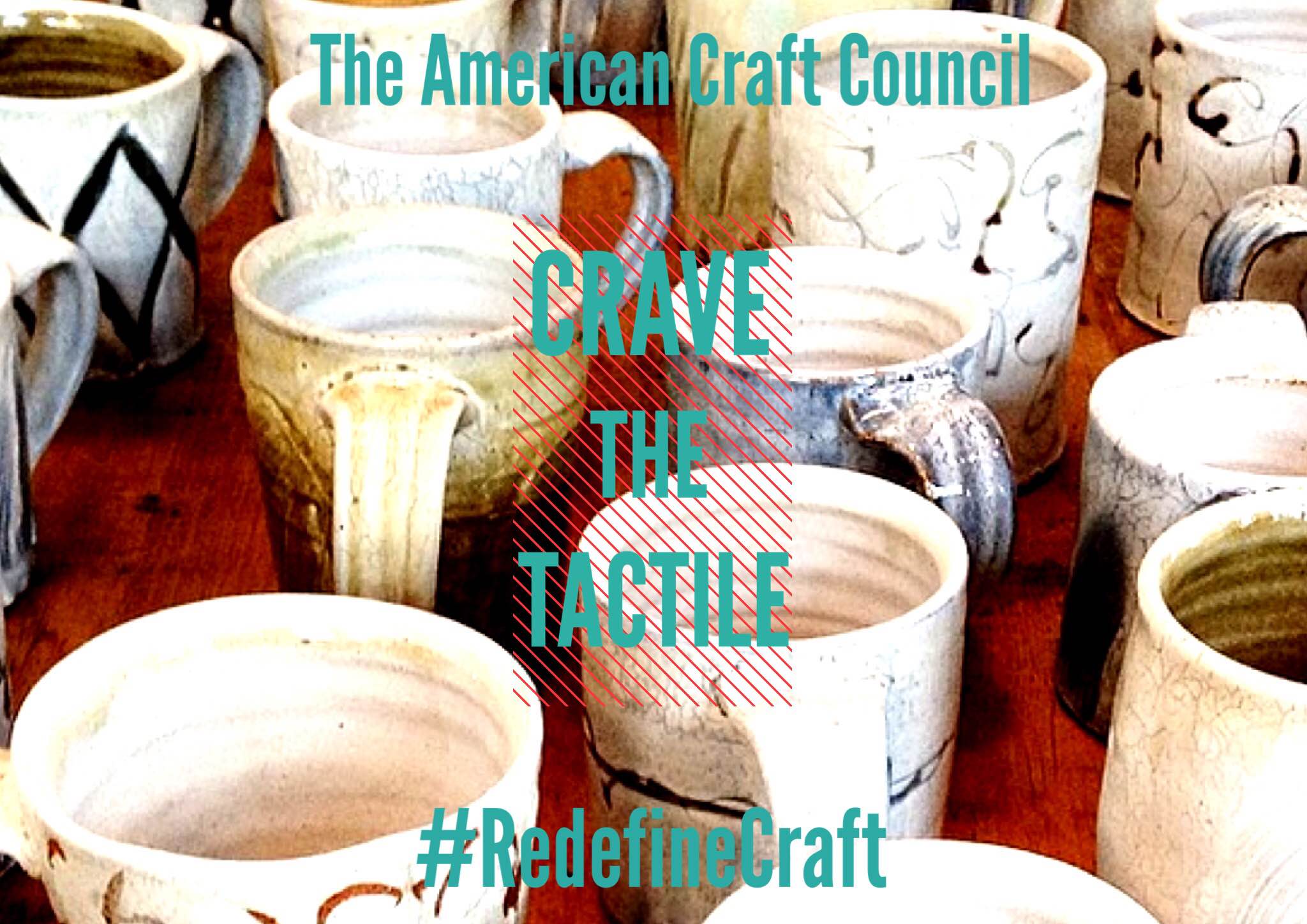
tactile ad

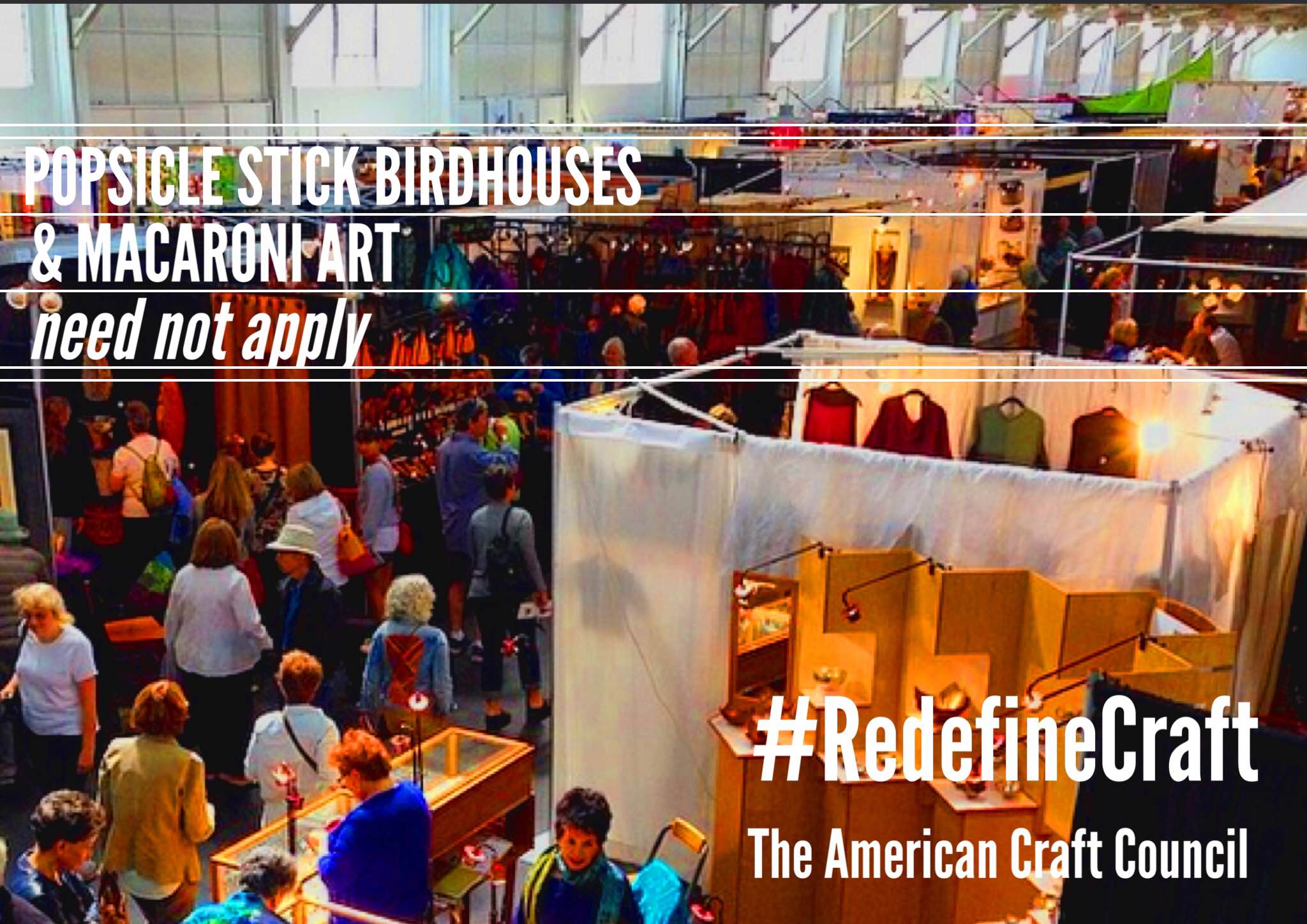
tradeshow ad

knitting ad

The idea behind this campaign was to change the conversation surrounding craft, and recognize the American Craft Council as a respected source of thought leaders, talent, and unbeatable quality.

Get ready Minneapolis, craft has arrived.

Cover Vs. Copy

We’re not often encouraged to judge a book by it’s cover, but when my professor assigned us to redesign the cover of a book we have read, Sugar Nation came to mind right away.

1. The Medium is the Message- By looking at this book, I expected to learn about all the places where sugar is hidden in

Before
Before

the American diet and how to improve our nutrition. I was also hoping to learn all the reasons sugar is detrimental to our diets, in hopes that I would have more motivation to tame my sweet tooth.While some people wouldn’t consciously think a book cover, they may just like one more than another, how much I hated the cover of this book crossed my mind every time I picked it up. Here’s why:

The author had other intentions, which was to tell more of a memoir of how Diabetes has impacted his life. I blame this miscommunication on the cover of the book, which may seem harsh, but that’s the purpose of a book’s cover and graphic design in general, is to communicate with the viewer.

2. What Meets the Eye- I also thought that the colors and fonts chosen for the cover do not match up with the overall tone of the novel. Neon blue and white is far more uplifting and dynamic than the copy beneath the cover. The main focus of the book, as I mentioned, is his own and his father’s journey with diabetes, along with commentary on how diabetes is being treated. I’m not sure about you but I wouldn’t have come to that conclusion.

3. Start at Square One- The images associated with the title take a very literal approach to the title’s message. Once again, while this communicates a connection between our nation and sugar, the title and the imagery used do not match the narrative. The caption below also doesn’t match up with the image, because nothing about a flag in a sugar bowl is hidden or related to medicine. Basically, the recommendation here is to change everything, including the title of the book.

After
After

Rather than using the imagery of only sugar and the flag, I thought it would be more effective to communicate the role sugar has played in US History, with using entertainment events like pie-eating contests as an example. This also conveys that this connection between our country and sugar is not a new phenomenon, which is important when attempting to create change. The roots run deep.Moving forward, I started to understand why the diabetes piece may have not been included in the cover. It’s hard. Utilizing medical or diabetes imagery  can be difficult to convey in a visually-appealing way. After playing around with it, I decided to take a less modern approach to the design, to at least give it more of a memoir feel.

I’m not sure this completely solves the miscommunication between the book’s topic and cover, but removing the caption hopefully opens it up for more interpretation. If the assignment called for creating our own images over finding images, I may have been able to communicate the message further; but I still believe the title starts this novel off a different path than  where the reader is taken.

I believe this shows the importance of communication between parties, the designer should never just be fulfilling orders, but rather offering creative perspective to find a way for the most effective link between the written and visual communication.

What do you think could help either of these covers?

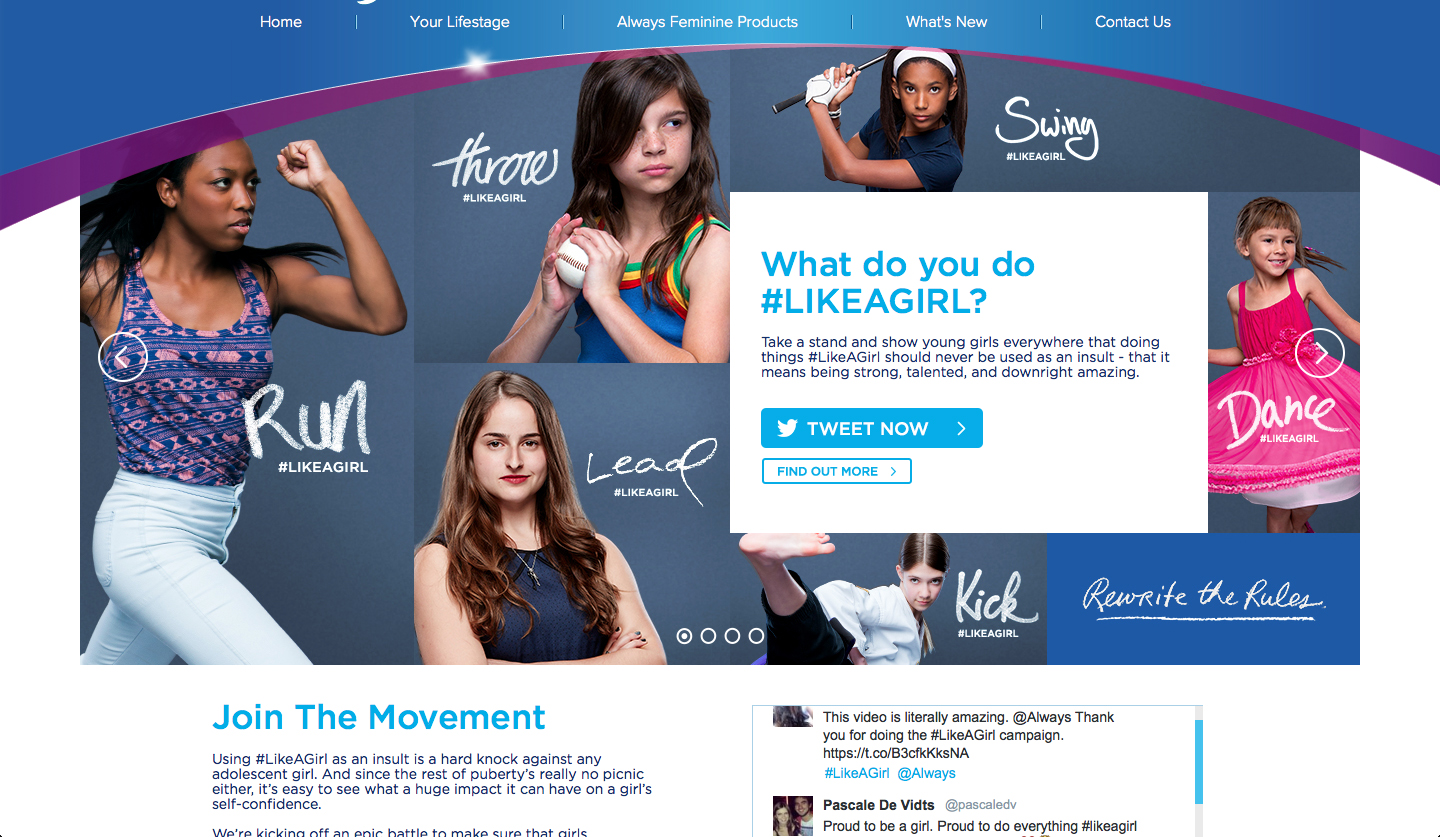
Campaign of the Week: #LikeAGirl

International Women’s Day brings to mind many bold and courageous females, continuous struggles for equality, and apparently, advertisements.

Always has caught my attention once again, with their recent release of another video, Stronger Together, for their #LikeaGirl campaign.

This campaign took social media by storm when it was released in the summer and again when shown in the 2015 Superbowl. To keep the buzz alive, Always celebrated International Women’s Day with a #LikeaGirl campaign video that showcases girls and young women, worldwide, displaying what it means to be a Like a Girl.

Originally, the ad related to athleticism, as that is an area where girls and women tend to be belittled or thought of as inferior. However, in this new video they address the many areas of life girls and women excel at, but are often not regarded as leaders in the field. This includes “calculate #LikeaGirl,” as a female student completes a math problem and “experiment #LikeaGirl,” as another student does chemistry.

While some have thought of this campaign as random, or worse, that it is capitalizing on feminism for corporate gain. To be fair, the company has boosted sales as a result to the Superbowl air time. Call me an optimist, but I think the new Stronger Together video solidifies Always’ intentions. As a company focused on the female market and needs, taking a stance on the empowerment of women doesn’t seem like a far stretch to me. Here’s why:

1. Rewrite the narrative: The tagline is powerful because it converts a phrase that is often intended as an insult, and shows why there is nothing about being a girl that someone should be ashamed of. Likewise, it is not uncommon to hear “time of month jokes” in conversation or in the media, so much so that they can be used to justify why women shouldn’t be trusted to lead a household, a company, or the nation.

2. Perspectives have impact: Sadly, I think everyone has heard the criticisms of female politicians being “too emotional” to handle foreign affairs, or the tongue in cheek jokes about wars that could start when said politician was menstruating. The #LikeaGirl tagline allows Always to cover all of these areas where girls and women need empowerment.

3. The new video also solidifies pre-teens as their target market, which is reaching girls at a time in their life when the Always brand has a new sense of relevance. As girls are entering puberty, Always wants their message to be clear, you have nothing to be ashamed of. Not to mention, this target market is also creating brand loyalty for potential lifelong users.

When it comes to the popularity of the ad, I think a great deal of credit goes to the strength of the tagline. It’s short and sharable—hence the Facebook impressions—it’s memorable, which helps sales; and it’s inspiring, which creates an emotional connection with the brand.

But more than anything, I think women of all ages resonate with this ad and just wish it came out sooner, so they could be the young girls empowered to inspire others.

always_like_a_girl_site

Design Daze

Screen Shot 2015-03-05 at 10.48.36 PM“I don’t know I just hate all of it,” I told my Media Design professor, walking back to my monitor to show her my Cipe Pineles project, “don’t get your hopes up.”

As I scrolled through InDesign for my professor, she claimed it wasn’t as helpless as it seemed. I suggested about five different and better directions I could take it in, but she reminded me that the project due date was nearing and I wasn’t exactly ahead of schedule. Unfortunately true.

It’s often said we’re our toughest critic; but when the other option is your grade or job performance reflecting that missed detail, how could we not be? The issue with this self-criticism isn’t that it exists or is too prominent, but rather that it isn’t balanced by self-advocacy.

This summer at my internship, I redesigned a mundane product document to make it more engaging, effective, and brand conscious. However, due to a tight deadline and miscommunications, it wasn’t perfect and couldn’t be used for the approaching event. Although disappointed, I didn’t have the same urge to delete it all and start from square one that I experienced the other day.

Instead, I saved it in one of my folders, for no other concrete reason than the fact that I liked it.

Certain this design would have a time to shine, I mentioned revising it a few times for the events between July and November but it never seemed to be priority. Eventually with the right audience and timing, I got the green light to make a few changes and bring the document back on the table. This turned into many changes, every draft better than the former.

That’s my favorite pScreen Shot 2015-03-05 at 10.45.10 PMart of designing, creating and writing for someone other than myself, their critiques will catch things I don’t see or to be honest, that I wouldn’t be motivated to perfect if it didn’t affect anyone else.

So what if we have it wrong? Are we meant to be our toughest critics, perfecting things before they see the light of day, even if that sometimes means they’ll never leave a buried folder?

While there’s obvious value in this, I think we need to put more of our energy into following ourselves down the rabbit hole, then perfecting that vision until everyone can see it. This means spending less time brainstorming for that flawless consensus moment; it won’t exist if someone doesn’t dive fully into their creativity and advocate for themselves.

Staring at my Cipe project, I thought of this scenario, and decided to move my project in a direction I could be excited about. Despite the tight deadline, a project I want to work on will be completed to higher quality and well before a project I am dreading. At the end of the day, your coworkers, professors and audience are there for critiques; but if you don’t advocate for yourself, your creativity, who will?

Ad of The Week: Partners in Parenthood

As students, we’re often told not to narrow ourselves into one area of strategic communications, as the fine lines that separate advertising, public relations, marketing, etc. continue to stretch and shift.

Originally, I never saw myself filling any role in advertising or marketing. Strategic communications as a whole, really, felt like intimidating, uncharted territory that I could just skim the surface of with my love for events and writing. However, through diverse opportunities and challenging myself to diversify what opportunities I think I can approach, this thinking has shifted.

I think these fine lines that separate focuses have more to do with the people than the work. Public relations always appealed to me for the opportunity to create relationships on behalf of an organization and impact how people think of their brand. That appeal still exists, but I now recognize that my skills for this can be- and need to be- applied to all mediums of strategic communications.

The advertisements and campaigns I get most excited about do just that, which is why I am highlighting Petsmart’s Partners in Parenthood campaign (by GSD&M). The advertisements, two of which were shown during the Oscars, play on the idea of pets being part of the family, and create satiric scenes of the different stages of “parenthood.”

The extended version of all the advertisements can be found on YouTube, and can credit a good fraction of their views to my free time and love for dogs.The campaign’s unifying idea is that PetSmart will be with you every step of this journey, something every actor calls out in some way in the commercials and online videos. PetSmart brings attention to the humorous and all too true dynamics of a pet owner, which looks much more like a parent and child. It also creates or reinforces a need by telling pet owners “No, you aren’t caring too much about your pet, don’t second guess these toys, boots or grooming sessions.” At the same time, the products are weaved into the stories so well, you don’t feel like they’re being aggressive.

The marketing directors of PetSmart said their goal was to “make people laugh or smile as they recognize themselves or someone they know in the videos; and to remember PetSmart, I think it will set us apart.” They predict it will be a successful campaign, which I completely agree with.

Within minutes of finding the ads on YouTube, I posted the full video (2 minutes vs. 30 second t.v. spot) to my friend’s

Facebook, tweeted about the campaign and quickly emailed the links to my family. When you can see your self or others in an ad, it builds a connection with that brand, a sense of they get me.

Additionally, PetSmart had traditionally took a more “features” approach to advertising, which didn’t really set them apart or make them too memorable. This campaign focuses more on their customers and what PetSmart has in common with them, a love for pets. The creative target audience seems to be “obsessive pet owners,” or “helicopter pet parents,” who can be reached in a completely different way than the people who are looking just for the essentials for their pet.

PetSmart is making fun of how ridiculous owners like Anna Farris (and me) sound when describing the haircut their imagining for their dog’s grooming, but at the same time they are saying, we get it, they aren’t just a dog, they’re family.

If that’s not focusing on creating a relationship, I’m not sure what is.

Brand Personality Done Right

SW2Security lines that are a bit too long and bags of pretzels that are a bit too small always come to mind when I think of air travel. However, my weekend trip to Columbus via Southwest brought my attention to the importance of brand personality when fighting competitors for ticket sales.

Southwest understands this, and makes sure that their brand personality is present in every aspect of what they do.

I noticed this right away when getting on my first flight, the attendants and pilots made many jokes over the loud speaker and spoke in a very casual way. This included directions like, “please pretend you’re paying attention as we demonstrate safety features.”

The napkins that came with our drinks also had fun taglines like “Here’s to You” and the stirring stick in my coffee was shaped like a heart at the top, true to their brand imagery. When it was time for us to get off the plane, the pilot chimed in, “We are on time, so be sure to tell all of your family and friends, because we know you tell them when we’re late. Okay now get out of here and have a great day!”

Out of context, these details and interactions make the airline sound unprofessional. However, since they incorporated this as part of their brand personality, it can be expected of the company regardless of where you are flying from or what crew you are with.SW1

This is reinforced by their advertisements. One of which I saw in the skyway when boarding had a picture of a staffer, and it said, “Everyone has attitudes, our employees just have the right kind.” Another ad states, “We’d like to match their new fares, but we’d have to raise ours.” This recognizes the airline competition and allows consumers to associate Southwest with low prices and their distinct brand personality.

The most important piece when it comes to brand personality is remaining consistent. If it weren’t for the advertisements, napkins, and pilot’s dialogue, I may have thought I just had rude attendants. However, because their personality is so well represented and widespread, consumers understand their intention. It sets them apart as an organization who has employees that love their job, are loyal to the company, and enjoy serving their passengers.

This approach to brand personality is also in line with their relaxed practices, as you choose your own seat and boarding is grouped into A-B-C rather than dictated by seat number. However, having a strong brand personality can also backfire if a passenger doesn’t fully engage with the brand. For example, had I not taken Southwest both ways on my flight, had I not read the brand messages on their products, or seen the advertisements, I may have not understood that this was intentional.

Luckily for Southwest, brand personality is my favorite aspect of strategic communications, so I will remember them more fondly as a result of their effective brand representation.

Just Keep Leaning

Sitting in an meeting I was observing for work, I looked around at the pondering faces of leadership consultants, all two-three times my age. Their questions began overlapping with others’ reflections, and any chance for clarity seemed to be drifting father away.

After thinking of a related explanation involving advertising agencies, I debated whether I should jump in, considering I wasn’t invited as a participant. By the time I convinced myself I was qualified enough to be sitting at the table and needed to lean in, the conversation had escalated and despite my attempts to interject, I couldn’t get a word in edgewise.

Rather than accepting defeat or regretting trying, I waited for a time of transition and told the man who had started the conversation my perspective from the creative/strategic communications world. Nodding thoughtfully, he thanked me for offering the insight. lean in

Regardless of details, it’s the fear of being wrong that glues your arms to your sides or your lips to a crease. The interaction with the one consultant and positive self-talk I used to motivate me to be involved was inspired by the Sheryl Sandberg novel, Lean In.

One of my favorite things about this book, which has been on the tip of many tongues for two and half years, is seeing how it resonates with others. For me, it played a significant role in the development of my professional life, as I stopped envying others’ experience and started pursuing and creating opportunities for myself.

On the other hand, some say it excluded different socio-economic classes that may not have the job stability to demand more responsibility or equal treatment. They also say there is no advice for breaking down initial barriers when entering the workforce.

A dear friend that always challenges me to see the world through a different lens, pointed out, “By telling women to ‘lean in’ she is putting the blame on women for the patriarchal society we live in and that they need to do all the work to break the glass ceiling…[women] are not the problem.”

While I understand and mainly agree with these criticisms, I believe it’s this demand to get it exactly right, to be an expert, that keeps our hands down and lips closed.

Advice for navigating the corporate world did not and will not resonate and inspire every reader as much as it did for me, but that doesn’t mean Sandberg fell short. Not everyone’s goals or lifestyles involve pencil skirts or equal pay, and because of this, I don’t think her target was every individual of every lifestyle. We’re asking a lot of Sandberg to cover so much ground, rather than diving deep into what she knows from experience, which happens to mainly take place in the corporate world.

If we wait to have the knowledge of every single piece of the puzzle before taking action, it results in a lack of confidence in your ability to create change, to take risks, and to create your own future.

IMG_0886Furthermore, even if we did wait for all the data and qualitative research, it’s human experience that trumps all. It’s when others express their perspective, their truth, that we make these lasting connections; not when they regurgitate what they learned from a book. For me, writing and publically posting my blog is my way to continue combating the voices that tell you to be smaller and fly under the radar, where there’s no risk of being wrong.

Whoever you credit to the shift, and there are many to thank, there has been a passion sparked that has removed negative connotations of the f word. It’s allowed more men and women to have conversations about feminism unapologetically; case in point, the recent Golden Globes.

Recognizing that nothing and no one will ever perfectly hit the mark, it’s our responsibility to highlight strengths to inspire others to build upon them, and illuminate shortcomings to empower other individuals to fill the gap. In my opinion, that’s leaning in, too.